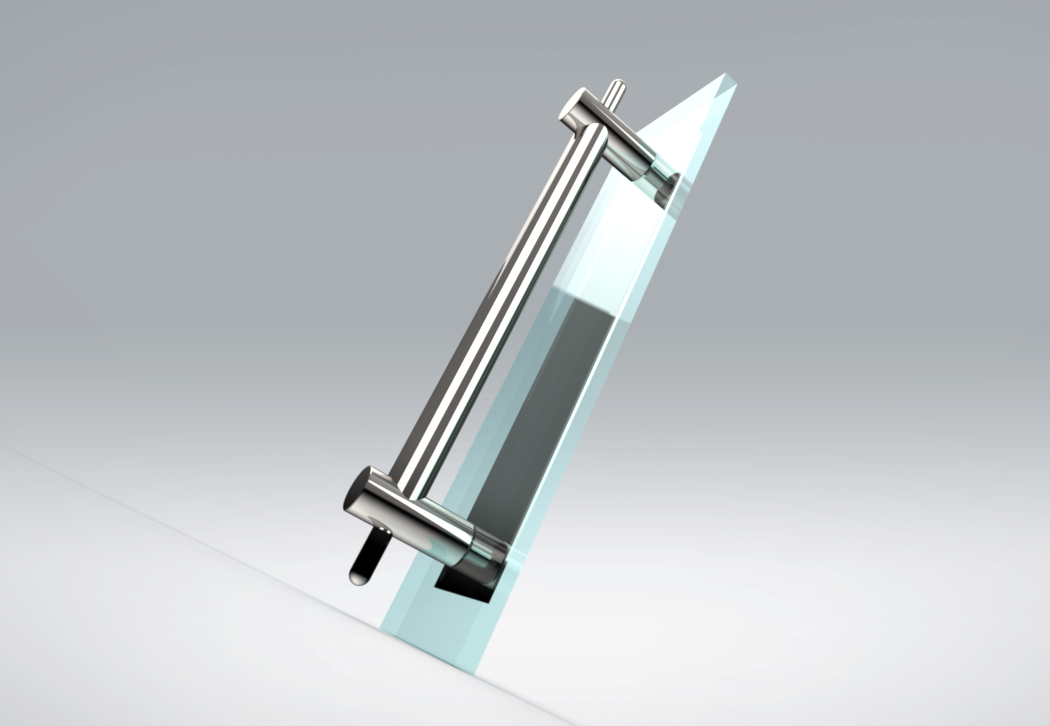
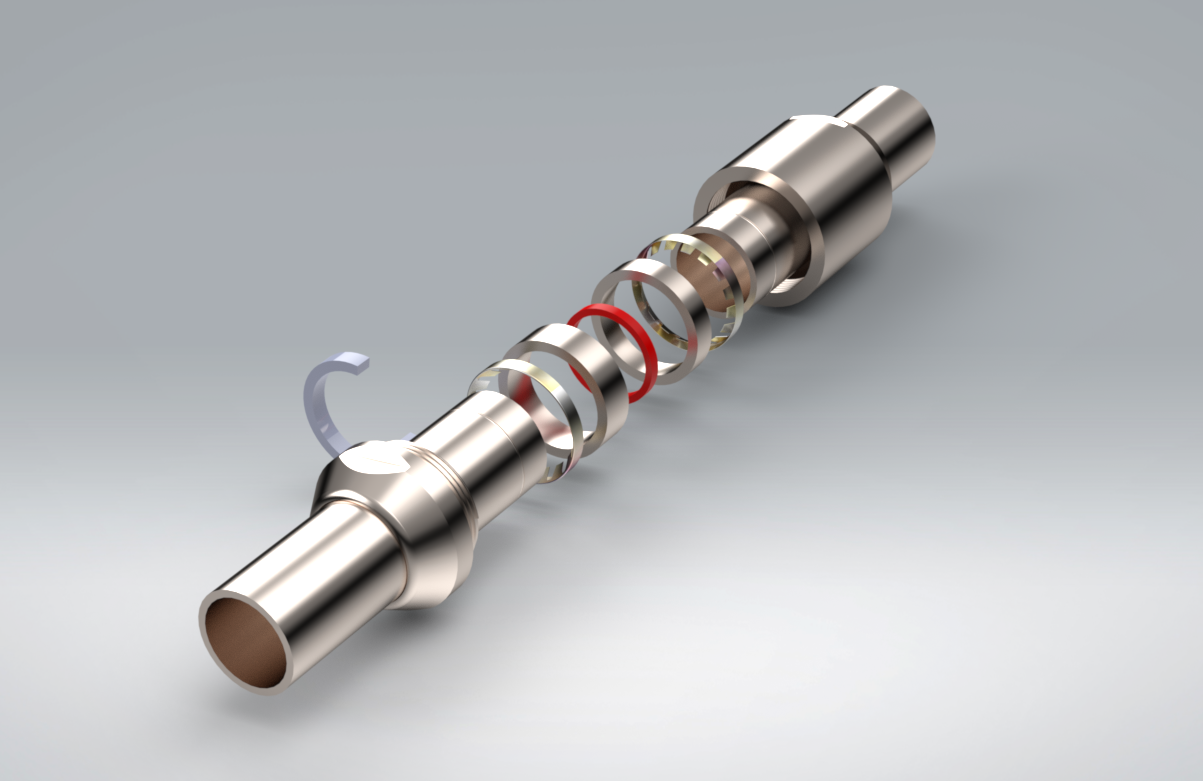
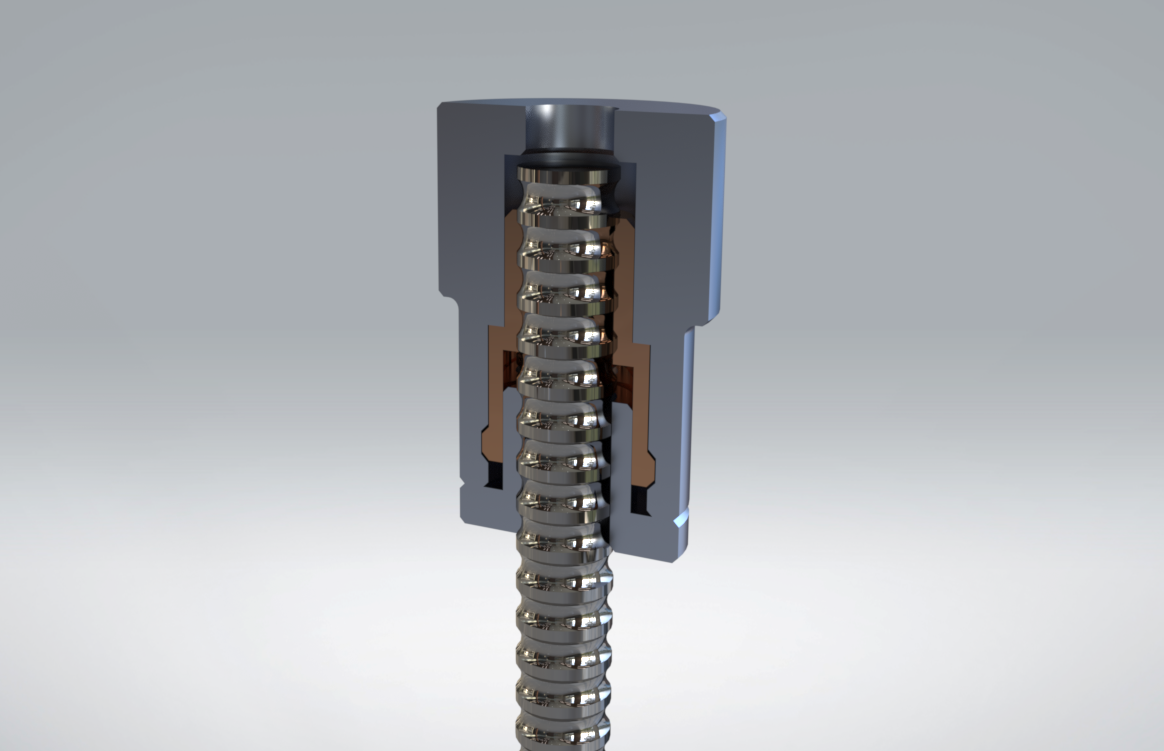
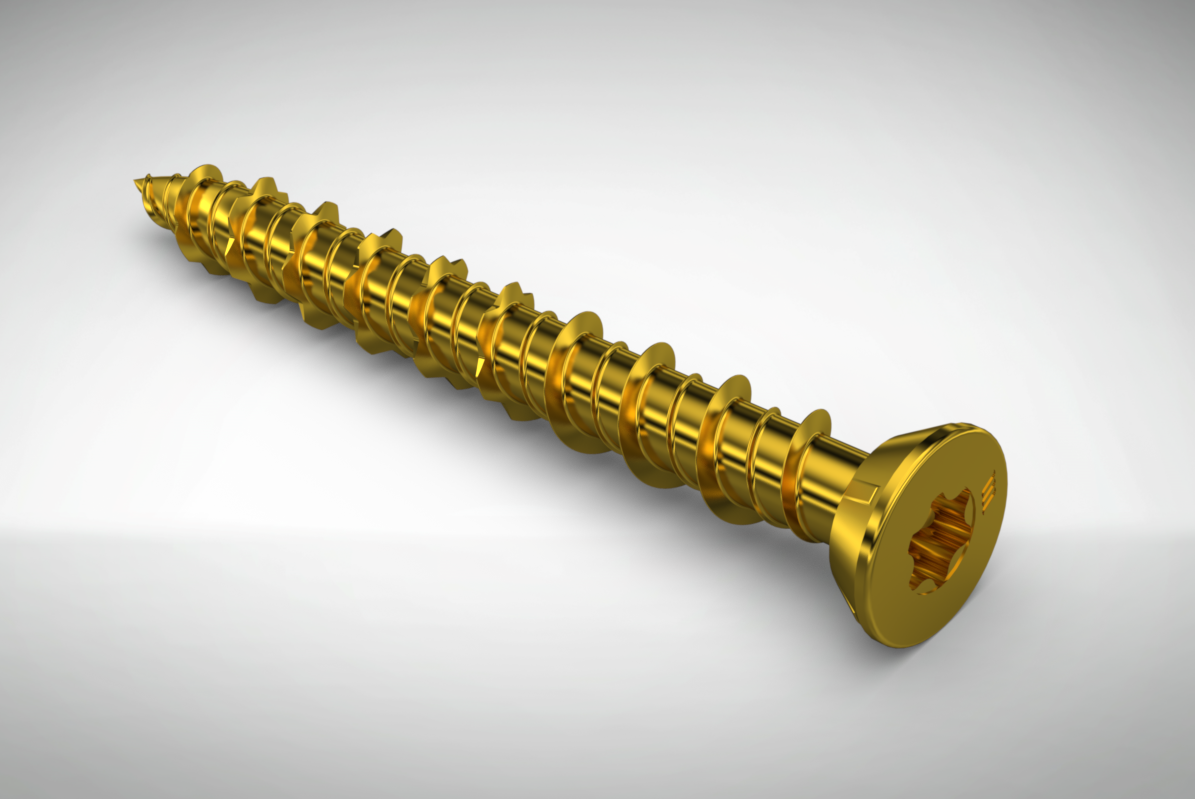
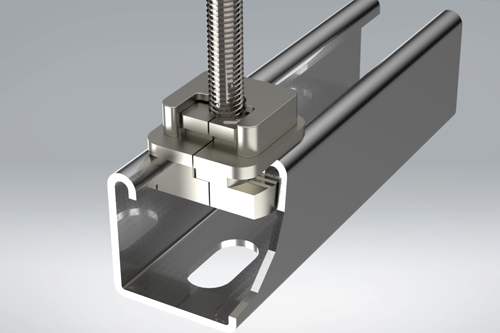
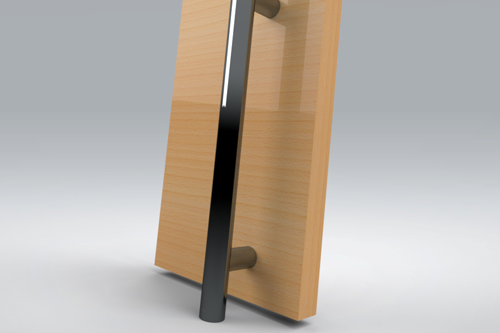
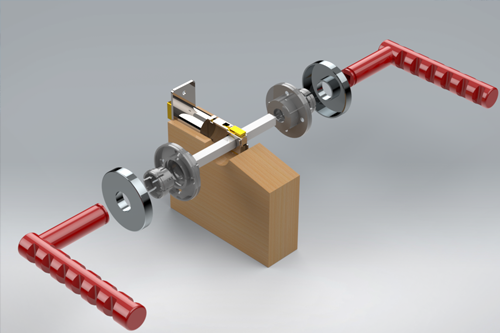
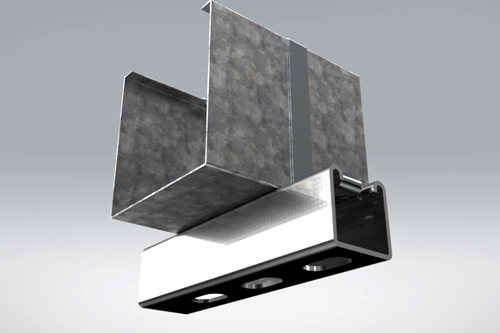
"Necessity is the mother of invention", as the proverb goes, but the process of improvement or innovation can continue for a long time. The timescale of take-up of many innovations is now shortening, thanks to the advances in computing and communication. Here are a few projects that have been accelerated from concept to future commercialisation with the help of communication via 3D modelling.
Projects – allow a moment for files to load
Innovation
Innovators see connections that aren’t there. It’s what makes them seem a little outlandish. As Henry Ford famously said, “If I had asked people what they wanted, they would have said faster horses.” Innovative systems make advancements by learning about and connecting far-flung concepts. They then integrate them into something that never existed before. In that way, future innovations are more artful curation than invention.
Innovation and invention are closely connected, but they are not synonyms and should never be used interchangeably – innovation and invention are two very different things.
By definition, an invention has to be something entirely new, so an idea is something that has never been done before. To invent something is to discover a new thing.
Meanwhile, to innovate means “to use a new idea or method”. To innovate is to introduce something new to the market, to manipulate existing inventions and turn them into a product or process used in the real world.
Of course, inventions also have to be proven to work. You can’t simply come up with any new idea – you have to be able to show that you can make it a success. That’s where innovation comes in. Innovators might come up with something that is not new at all. Instead, they operate within the realm of what already exists to create a commercially successful product or process that will satisfy a market need and create a competitive advantage.
Innovators use existing processes and platforms to create and prove a new idea or concept. 3D CAD modelling is one of those platforms that allows a new concept to be given life. 3D CAD modelling and its associated technologies can demonstrate that ideas and inventions can become commercially successful and communicate that fact clearly - saving development time and cost.
Andrew (Andy) Holland

Business Bio
Andrew Holland is a senior professional in engineering, innovation and creative commercialisation. He brings more than four decades of experience at the intersection of engineering integrity, standards compliance, product development and technical marketing. Throughout his career, he has connected disciplines that are often treated separately, bringing together practical engineering understanding, commercial judgement and clear technical communication.
Andrew's early professional foundation was formed through extensive art and design college training. He later contributed to aerospace technical illustration and documentation. This early exposure to highly controlled engineering environments gave him a lasting appreciation for accuracy, traceability, standards, and disciplined presentation of technical information, which has remained central to his work throughout his career.
Latterly, Andrew co-founded and led Visual Eyes, a design and technical illustration studio that successfully bridged traditional engineering graphics with emerging digital workflows. This period strengthened his ability to translate complex technical subjects into accessible, commercially useful communication. He subsequently held senior creative and technical leadership roles, including developing digital documentation and print-on-demand systems for regulated public-sector environments.
More recently, Andrew repositioned Architectural Supplies as Rapierstar, launching the brand into the UK fenestration sector as a respected technical authority. He led the creation of a comprehensive brand strategy, introduced specialist products to new markets, and established standards-led communication. He equipped customers through targeted educational programs, supported the rollout of innovative product lines, and built authoritative technical narratives on specialist fasteners and construction products.
Andrew currently drives product definition, validates compliance, leads technical marketing, and commercialises innovation. He bridges engineering reality with creative market execution. He identifies technical risks early and shapes defensible product claims. He clearly communicates complex performance issues and guides innovative products from concept to commercial adoption. This rare combination of engineering discipline and creative commercial ability enables him to deliver clarity, credibility, and momentum to technically led businesses.